Wildfires: A Force of Destruction
A couple months ago, my friend and I drove through Rocky Mountain National Park, up to the Alpine Visitor Center at 11,796 feet, down to the Continental Divide at 10,759 feet, and on to the trails, landscapes, and vistas beyond.
I’d never been on the western side of the park, and I found myself enchanted by the lush meadows, gentle streams, and tranquil forests set against the majestic backdrop of mountain slopes.
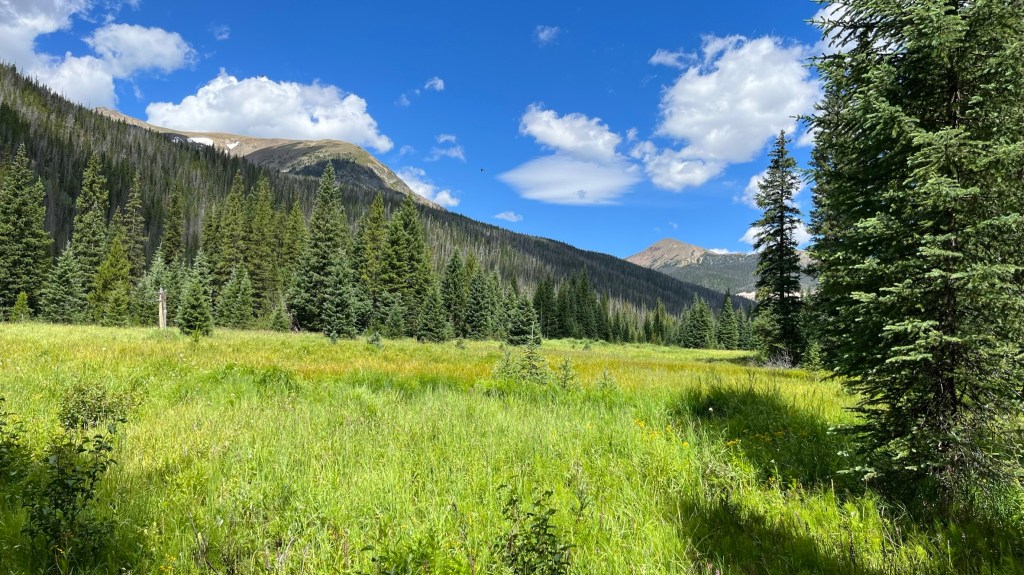
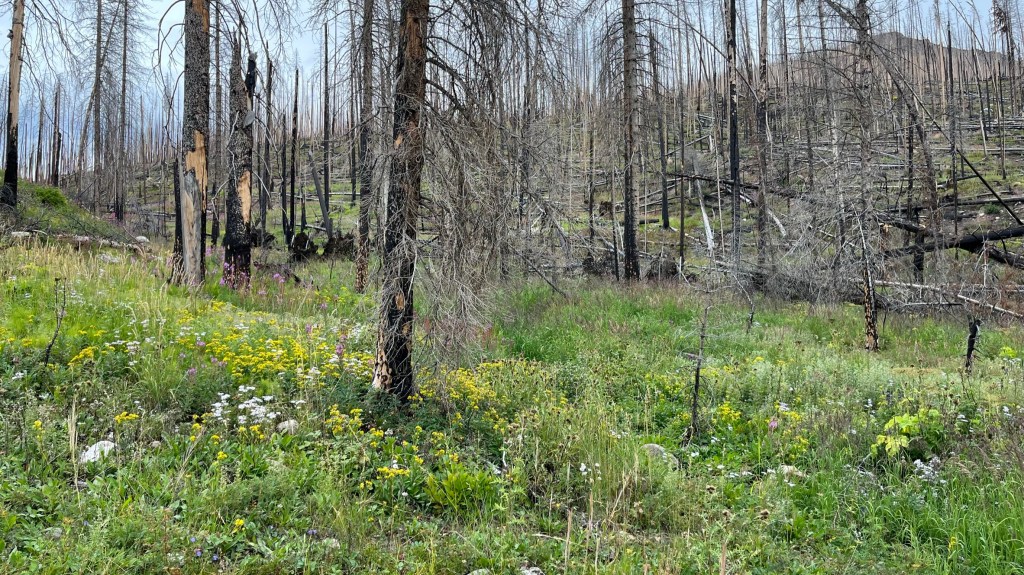
As we drove farther, however, we instantly recognized the change in landscape that marked where the wildfires of 2020 had swept through the wilderness.
Though the meadow remained a brilliant green, the distant line of trees was now a series of spindly, naked sticks. On the other side of the road, the hillsides bore mile after mile of charred evergreen skeletons–bent in the direction the wind had blown them in their fragile, consumed state–that reminded me of burnt asparagus spears. Far away, the mountain slopes offered a flat, brown and rusty vista instead of the dark, healthy green of the forests we’d left behind.
My heart ached at the loss of such beauty, such majesty, such life.
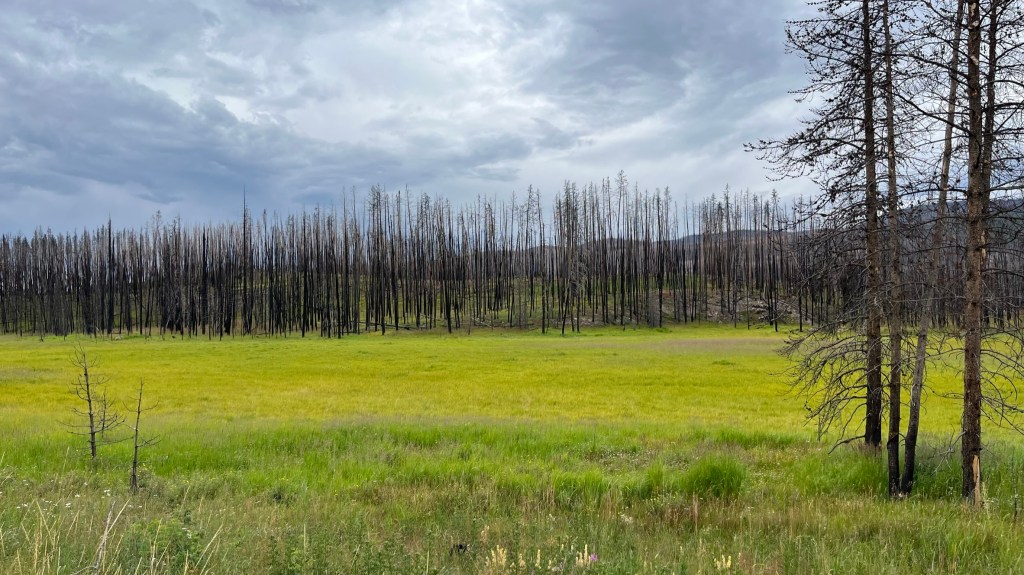
We stopped to walk a short trail through the burned area. The low gray clouds cradled a hush around us, and I cradled a similar sense of hallowedness inside me as I tread the earth where the fire had come.
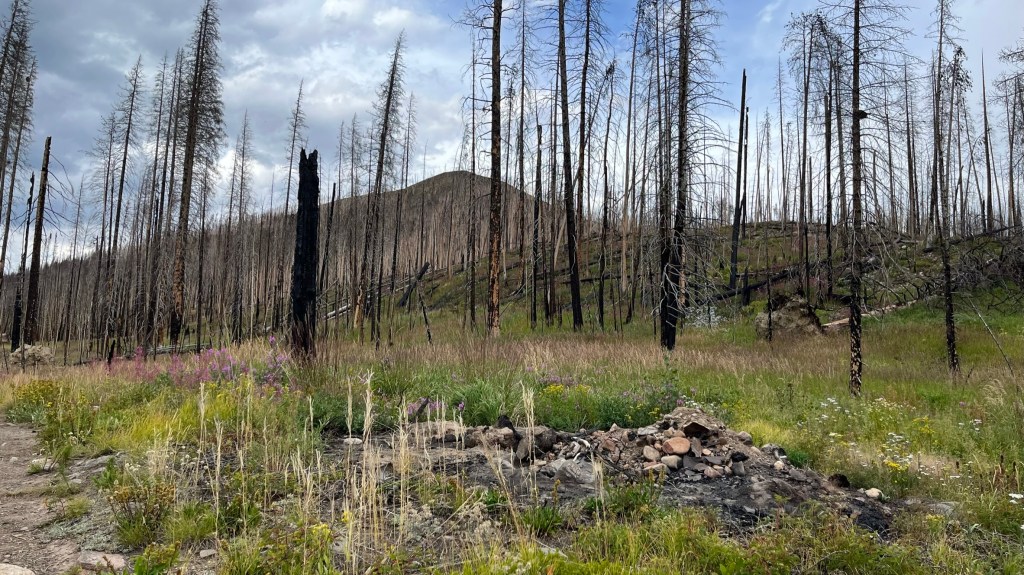
The undergrowth had returned quickly: springy moss so deep I lost my footing when I stepped into it, thick weeds as tall as my waist, wildflowers that spread their color low to the ground or held it up above the stumps and bushes in eye-catching gems of white, yellow, pink, and red.
In it all, through it all, above it all, rose the blackened trunks of what had once been stately pines, now nothing more than rigid sticks. Some had snapped halfway up, the tops now lying buried in the piles of brush and more trunks beside them. Some still bore a few scraggly branches, bereft of needles, thin and stark against the overcast sky.
Pain and joy clashed in my heart as I took in the juxtaposition of hardship and renewal that surrounded me.
I mourned the beauty that once had been. I feared the sweeping walls of fire that had devoured that beauty. I loved the new beauty that was already growing out of the ashes and promised to eventually cover the earth again.
And I thought of chronic illness. The way I, too, had lost so much to the unexpected, unpredictable, untameable flames of sickness. The way God has prevented me from being consumed completely by despair and pain. The way fresh growth has risen alongside—and in place of—the old. Growth that is different. Better. New.
When my friend and I chatted with the park ranger on our way back into the park, we asked her about the fire. She talked about the damage it caused and the acres it devoured, and then she said something that struck me:
“But it was a good thing.”
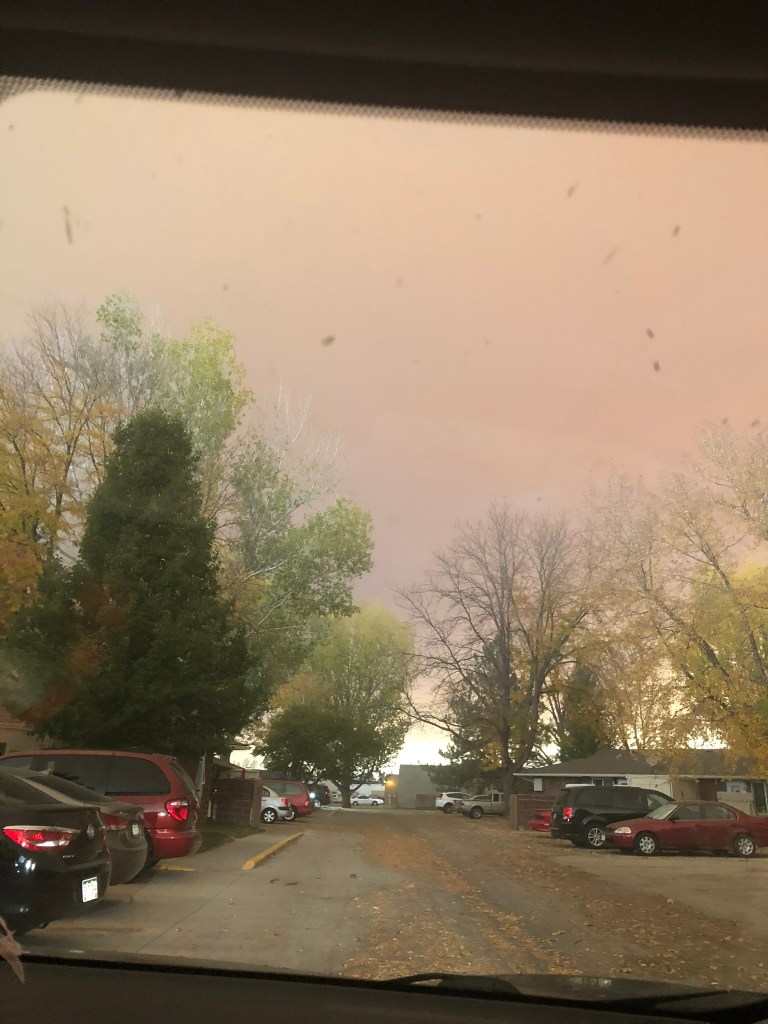
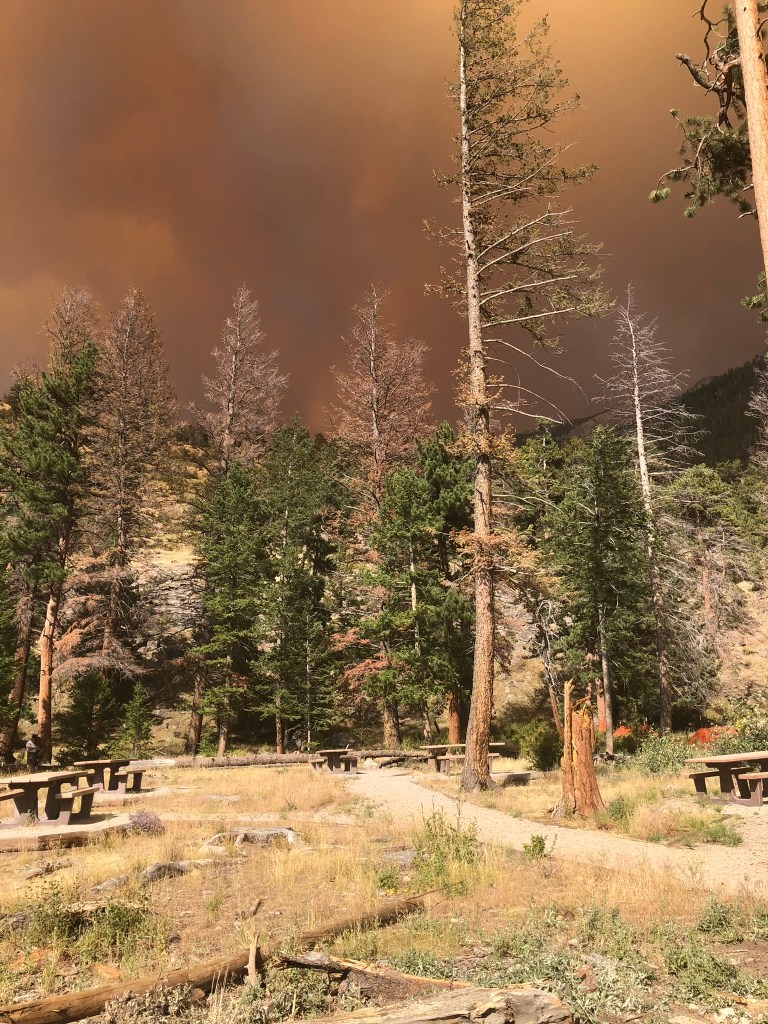
I thought of the scenes of loss we’d just driven through, and I remembered the pictures Emily had sent me in 2020: pictures of a sky of hazy crimson, ash drifting through the air like charred snowflakes, dark clouds of smoke no matter where you looked.
How could something that caused so much damage, so much ugliness, and so much distress be “a good thing”?
Wildfires: A Means of Regeneration
Emily’s dad, Rick, worked for 37 years in the fire service and spent several of those years running the local Wildland Firefighting Program. I asked him about wildfires and what good could come out of them, and this is what he said: wildfires aid in the regeneration of a healthy forest.
When wildfires don’t take place and forest management services fall behind, the forest can build up with latent fuel that, within moments of a lightning strike or a stray ember from a campfire, can literally go up in flames. These flames can quickly spread from grass to brush and to the lowest limbs of trees, and then to the upper limbs, and before long entire forests are burning out of control. When this happens, firefighters are hard-pressed to contain the fire, and the damage–to nature and lives alike–can be devastating.
For this reason, mitigation crews go up into the mountain forests in the summer to lop off limbs, cut down trees, and clear out brush, making what are called “slash piles” that they’ll come back and burn in the winter when there’s snow on the ground: so the next wildfire will cause less damage and be easier to contain.
There’s also a method called prescribed burning, when the fire department itself burns an area of land under the leadership of a “burn boss,” the highly trained official who is responsible for the burn plan and the smoke management plan. Colorado has a lot of cheat grass, an invasive species, and fire departments will carry out prescribed burns to eliminate the cheat grass and bring back the healthy, native grasses.
Prescribed burns can take place in the forests too. In this case, not only does the prescribed burn eliminate the build-up of fuel that would feed a future wildfire, but it also helps spread seeds and encourages new growth. In the right amount of heat (like the heat of a wildfire), pinecones release their seeds, and these seeds then get spread throughout the forest.
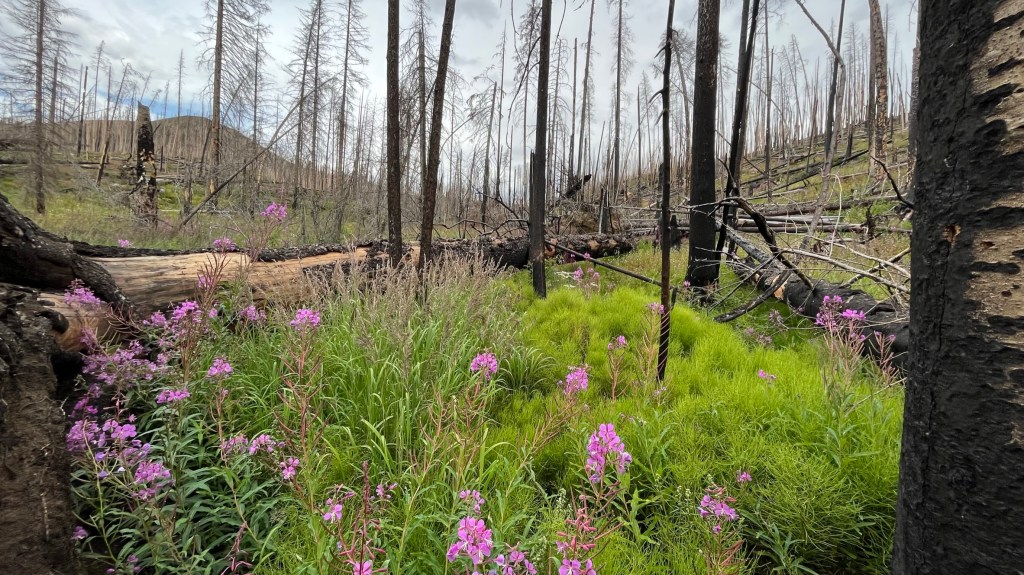
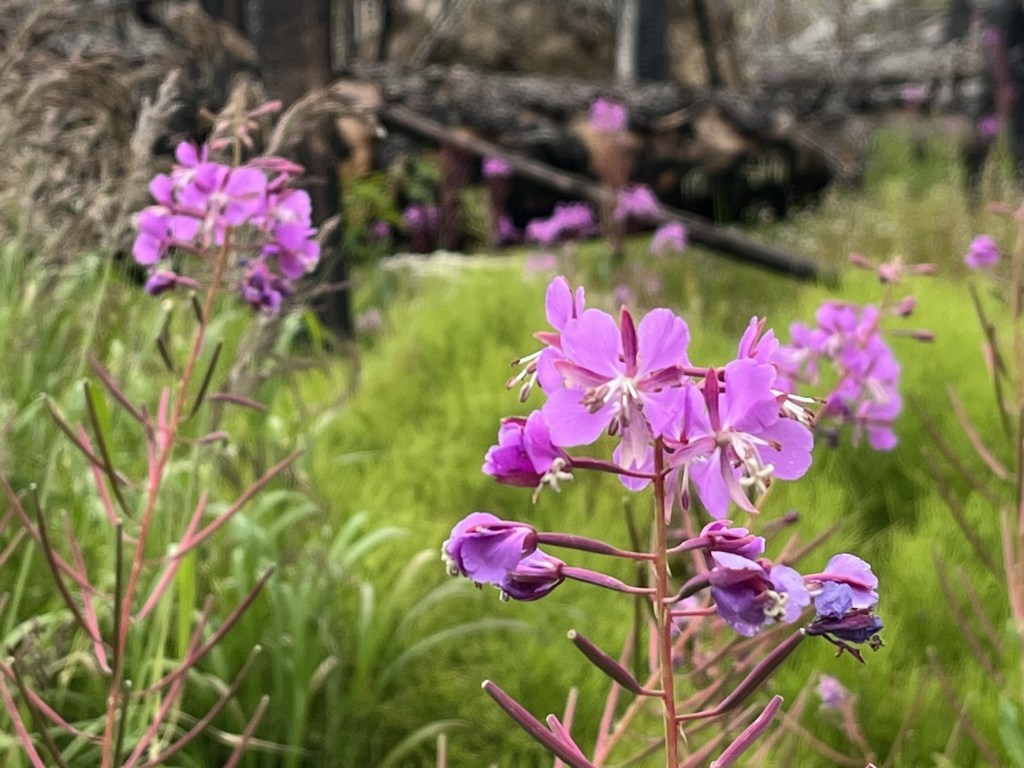
So yes, wildfires can be good. They protect the forest by consuming built-up fuel, they nourish the ground and future growth with wood ash, and they bring new beauty in the form of fresh life and unique plants like fireweed.
In his book Like a River: Finding the Strength to Move Forward after Loss and Heartache (which I happened to read the same week as our trip), Granger Smith uses the cycle of a tree shedding its dead leaves every year–a death–to add nutrients to the soil as an illustration of the way our hardships, deaths, and losses, when yielded to God’s sovereignty, can bring about growth and new life.
With his personal testimony of finding purpose and healing in Christ after the tragic loss of his three-year-old son, he shares these words:
Happiness happens to you. It’s something you feel when things are going well. It’s temporary. But joy is different. It’s an internal peace, a gift that can never be replaced or taken away, which means it can exist even alongside our deepest sorrow. We were still hurting, but we were also joyful even in our circumstances, and that birthed a hope within us—a hope that wasn’t fruitless. After Amber’s and my complete and painful surrender, it was becoming evident that God was doing something new. He was restoring us—not by removing the fire but by walking us right through the middle of it.
p. 158, emphasis added
Whether through natural events like the seasons or unnatural events like wildfires, the fact is the same: death nourishes life. And nowhere do we see a greater demonstration of this than in the accounts and promises of the Bible. (See Chronic Illness: A Place of Fruit and Ashes.)
Wildfires, however, do more than usher in another, better stage of growth. Both in the forest and beyond the forest, fire is one of nature’s–and God’s–most powerful tools to purify.
Wildfires: A Tool of Purification
Look at the way fire shows up in this well-known passage:
In this you greatly rejoice, though now for a little while, if need be, you have been grieved by various trials, that the genuineness of your faith, being much more precious than gold that perishes, though it is tested by fire, may be found to praise, honor, and glory at the revelation of Jesus Christ.
1 Peter 1:6-7, emphasis added
We see this idea of refinement in the Old Testament as well:
For You, O God, have tested us;
Psalm 66:10
You have refined us as silver is refined.
The refining pot is for silver and the furnace for gold,
Proverbs 17:3
But the LORD tests the hearts.
“Behold, I have refined you, but not as silver;
Isaiah 48:10
I have tested you in the furnace of affliction.”
(If we had prescribed burns instead of furnaces, you could say God is our “burn boss” with the perfect management plan as He burns away the cheat grass of sin in our lives–and the fuel that feeds our flesh–to make room for the better, healthier fruits and desires of the Holy Spirit.)
This idea of refinement or purification appears in Episode 147 of The Thinklings Podcast, which I also happened to listen to around the same time as our trip. The episode concludes with Thinkling Carter’s relevant discussion of patience from James 1.
First, though, he points to 1 Peter 1:6-7 and says,
It’s the picture of metal being put in a fire to remove the imperfection, and that’s not a quick thing–just tap it in, tap it out. Sometimes it has to sit there and heat up, and then the imperfection rises to the top and you can remove it. You think about what that looks like in sanctification: you get put in the heat, and the imperfection rises to the top. The fleshly desires, inordinate loves rise to the surface–our actions, our words, our thoughts. We see our motives revealed. And then we can address them through the enablement of the Spirit and the ways, the paths of wisdom in God’s Word.
Then he comes back to James 1:2-4 and the word “patience,” which means to sit or abide under:
My brethren, count it all joy when you fall into various trials, knowing that the testing of your faith produces patience. But let patience have its perfect work, that you may be perfect and complete, lacking nothing.
James 1:2-4
Thinkling Carter continues (and I conclude with his words):
Why does the believer think that [trials are good]?
What causes the joy of verse two in various trials is verse three: you think joy of trials because you know. What is the thing that you know that brings, ultimately, joy? You know that testing of your faith produces patience. . . . The purpose of God for us spiritually requires [us] to sit in the fire so that the heart can have its true motives and loves purified.
Without the testing, we don’t have the progressive sanctification. And so what does the consistent allowance of trial in our lives by a sovereign God teach us to do? Sit in the fire. It teaches me to be patient in the midst of pain, which is antithetical to our flesh. Our flesh wants to preserve and promote itself. Our flesh hates to have itself provoked and purified by consistent trial. . . .
And that’s the spiritual end of our sanctification, is that we truly lack nothing. When we learn to depend on the Lord and allow His spirit to control, He gives us everything we need. He always has more grace, and He doesn’t forsake us in this life. We can endure the trial with the hand of God both providing the trial and also providing the comfort.
With the promise of God–that we know the testing of our faith produces patience–and as we learn to patiently endure the trials He allows, He perfects us, He changes us, He accomplishes His goal of creating His glory in us. We become bearers of the character of Christ in deeper and more mature ways there. We come to “the measure of the stature of the fullness of Christ” [Eph. 4:13] through enduring trials.
(emphasis added)
Have you seen the wildfires of chronic illness doing good in your life? What imperfections, fleshly desires are rising to the top that you need to bring to God for confession and repentance? Are you choosing to “count joy” alongside the grief of this trial?
 The Valley